Durable Medical Equipment
Building a Safer Home Care Environment Through Better Understanding of Equipment
Care needs often evolve over time, and the equipment that supports those needs may change as well.
When durable medical equipment becomes part of daily life, families may suddenly find themselves trying to understand unfamiliar equipment while also managing caregiving responsibilities, changing health needs, home accessibility, safety, and financial considerations.
The equipment itself is only one part of the picture.
A wheelchair, hospital bed, mobility aid, respiratory device, or other piece of equipment must function within the realities of the person receiving care, the caregiver providing support, and the home where daily care takes place.
That is why understanding durable medical equipment is an important part of caregiving preparedness.
Informed equipment decisions begin with informed understanding.
Why Durable Medical Equipment Education Matters
Many individuals and families first encounter durable medical equipment during illness, hospitalization, rehabilitation, recovery, or changing health circumstances.
At that point, decisions may need to happen quickly.
Families may be introduced to equipment they have never used before while simultaneously trying to understand caregiving responsibilities, safety concerns, insurance or financial considerations, and whether the equipment will work effectively within the home.
Equipment can influence:
- Mobility and independence Safety
- Caregiver responsibilities
- Physical demands on caregivers
- Home accessibility
- Daily routines
- Long-term caregiving preparedness
For this reason, durable medical equipment education should extend beyond simply recognizing product names.
The goal is to understand how equipment may support changing care needs and how it fits within the broader caregiving situation.
Understanding Durable Medical Equipment
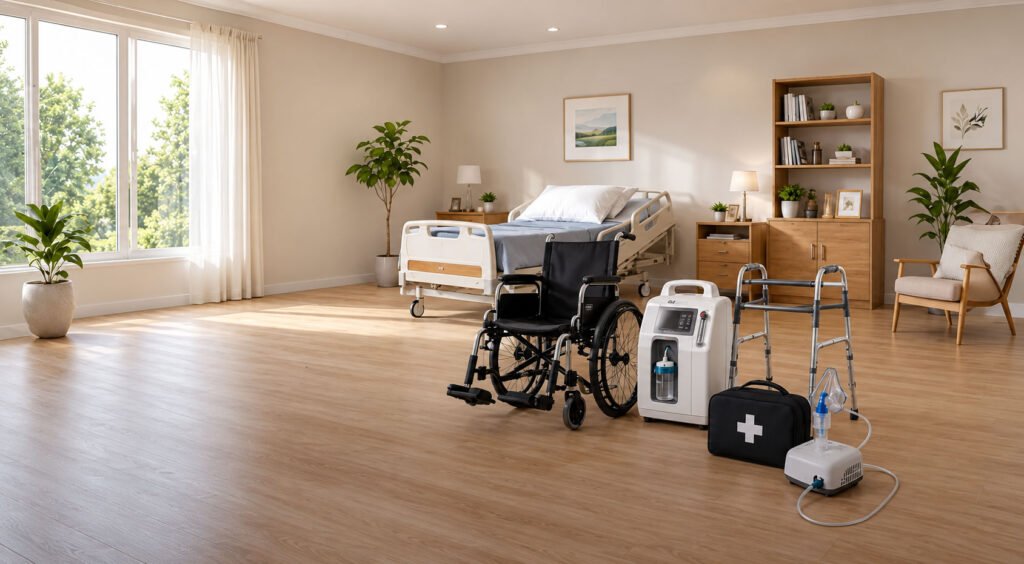
Durable Medical Equipment (DME) refers to medical-grade devices designed for repeated, long-term use to support individuals with ongoing care needs.
Common categories may include equipment that supports:
Mobility
Positioning
Respiratory needs
Safe transfers
Accessibility
Activities of daily living
Understanding these categories helps individuals and families recognize how different types of
equipment may relate to changing care needs.
Equipment Does Not Function in Isolation
A piece of equipment may address one immediate need, but its effectiveness can depend on much more than the equipment itself.
For example, a mobility device may support movement while also requiring adequate space within the home. A hospital bed may support positioning and caregiving while affecting room layout and caregiver access.
Equipment decisions may therefore connect with:
- The individual's current and anticipated care needs
- Caregiver responsibilities
- Mobility and functional abilities
- Transfers and positioning
- Home layout and accessibility
- Safety
- Daily routines
- Financial and coverage considerations
- Future equipment needs
This is why Monse-Heart approaches durable medical equipment as part of the whole caregiving situation, rather than as an isolated equipment decision.
Factors That May Influence Equipment Decisions
Equipment decisions can involve many considerations, including:
- The individual's current care needs
- Anticipated changes in mobility or function
- Safety
- Caregiver responsibilities
- Available space
- Home accessibility
- Ease of use
- Maintenance requirements
- Financial and insurance considerations
- Professional recommendations
Understanding these factors can help individuals and families prepare better questions and have more productive conversations with qualified healthcare professionals.
Monse-Heart provides education to strengthen understanding and preparedness. We do not prescribe or recommend specific medical equipment.
Understanding these categories helps individuals and families recognize how different types of
equipment may relate to changing care needs.
How to Approach Equipment Decisions
When equipment needs arise, it may be helpful to consider:
- What caregiving need is the equipment intended to support?
- How might it affect mobility or independence?
- How will it function within the home?
- Will the caregiver need additional space or support to use it?
- Are there accessibility considerations?
- What maintenance or ongoing requirements may be involved?
- Are there financial or insurance considerations?
- How might the individual's needs change over time?
- What questions should be discussed with qualified healthcare professionals?
The objective is not to make equipment decisions independently. It is to become better prepared to understand the factors involved, organize important questions, and participate more confidently in conversations with qualified healthcare professionals.
Core Categories of Durable Medical Equipment
Mobility Support Equipment
Mobility equipment may help individuals move more safely and independently within their daily surroundings.
Examples may include:
Wheelchairs
Walkers
Canes
Mobility aids
When learning about mobility equipment, consider how current mobility, anticipated changes in function, available space, accessibility, and caregiver responsibilities may influence its use.
Transfer and Lift Systems
Transfer equipment may support movement between beds, chairs, bathrooms, and other areas of the home.
Understanding transfer needs can help families recognize the relationship between equipment, caregiver physical demands, available space, home accessibility, and how assistance needs may change over time.
Sleep and Positioning Equipment
Positioning equipment may support comfort, body positioning, pressure management, and caregiving activities.
Equipment in this category may include hospital beds and other positioning supports.
The home layout, caregiver access, and changing care needs are also important considerations.
Respiratory Equipment
Respiratory equipment may become part of home care when an individual has ongoing respiratory support needs.
Families should understand the purpose of the equipment, daily care considerations, maintenance requirements, and questions that should be discussed with qualified healthcare professionals.
Accessibility Equipment
Accessibility equipment may help individuals navigate the home and complete daily activities more safely.
Accessibility needs may also reveal areas of the home that require further evaluation or modification as mobility and caregiving circumstances change.
Financial and Coverage Considerations
Equipment needs may also introduce financial questions that families had little reason to consider before caregiving needs arose.
Depending on the situation, individuals and families may need to better understand:
- Health insurance coverage
- Medicare or Medicaid requirements, when applicable
- Out-of-pocket responsibilities
- Rental versus ownership considerations
- Replacement or maintenance expenses
- Long-term equipment needs
- Questions to discuss with insurance representatives or qualified professionals
Understanding these considerations does not mean families must become insurance or financial experts.
It means recognizing that equipment decisions may have financial implications and that asking informed questions is an important part of preparedness.
Evaluating Equipment Within the Care Journey
Today’s equipment needs may not be tomorrow’s equipment needs.
As health conditions, mobility, functional abilities, and caregiving responsibilities change, the type and level of equipment support required may also change.
A person who uses a walker today may require different mobility support later. Increasing assistance needs may introduce transfer equipment. Changes in positioning or respiratory needs may introduce additional equipment into the home.
Families cannot predict every future need.
But understanding how care needs may reasonably evolve can help them look beyond the immediate equipment need and prepare more thoughtful questions for qualified professionals.
Consider:
- Current care needs
- Anticipated changes in mobility and function
- Caregiver responsibilities
- Home accessibility
- Current and potential equipment needs
- Long-term equipment use
- Maintenance requirements
- Financial and coverage considerations
- Future care needs
Understanding these considerations does not mean families must become insurance or financial experts.
Understanding today’s equipment need is important. Understanding how that need may
change provides a broader view of the care journey.
The Monse-Heart Signature Educational Experience
Structured DME education provides important knowledge.
But every individual, caregiver, home, and care situation is different.
That is why Monse-Heart extends education beyond general information through our Personalized Care & Preparedness Assessment.
Depending on the service selected, the assessment may be conducted virtually or through an in-home visit.
The assessment helps us better understand:
- The individual receiving care
- Current and anticipated care needs
- Mobility and functional considerations
- The caregiver's responsibilities and challenges
- Family and caregiver support
- The physical structure and accessibility of the home
- Current and potential equipment needs
- How equipment may need to function within the home
- Financial and coverage considerations
- Planning priorities and future considerations
These elements are considered together so the educational experience reflects the participant’s actual circumstances rather than a generic discussion about medical equipment.
From Assessment to Personalized
Educational Guidance
The assessment is not the end of the educational experience.
What we learn through the assessment helps us develop a clearer picture of how the individual’s care needs, caregiver responsibilities, equipment considerations, home accessibility, and anticipated changes relate to one another.
Those findings become the foundation for personalized educational guidance.
Through a Guidance Zoom Call, participants have an opportunity to review relevant findings, strengthen their understanding, organize important questions, and identify areas that may require further evaluation by qualified healthcare or other appropriate professionals.
This creates an educational experience shaped around:
- The real individual.
- The real caregiver.
- The real home.
- The real equipment needs.
- The real care situation.
And importantly:
- How those needs may change over time.
Monse-Heart does not prescribe, recommend, sell, or select medical equipment and does not replace the healthcare, rehabilitation, insurance, financial, accessibility, or other qualified professionals who may be involved.
We help individuals and families become better informed and better prepared to work with those professionals.
A Practical Reflection
Before making an equipment-related decision, consider:
- What caregiving need are we trying to support?
- What difficulty is occurring now?
- Is the need temporary, changing, or likely to continue?
- How might mobility or functional needs change?
- How will the equipment function within the home?
- Will the caregiver need additional space or support to use it safely?
- Are accessibility issues affecting the situation?
- What questions should we prepare for the healthcare professional?
- Are there financial or coverage questions we need to understand?
- Could equipment needs change over time?
The purpose of these questions is not to determine the medical solution yourself. They are designed to help you better understand your situation and prepare for informed conversations with qualified professionals.
If You Are Preparing a Home for Caregiving
Equipment should be considered within the home where care actually takes place.
A device that is appropriate from one perspective may still create practical challenges if the home does not provide adequate space, accessibility, positioning, or caregiver access.
This is why Monse-Heart connects durable medical equipment education with broader caregiving and home preparedness.
Participants are encouraged to think about:
- Movement through the home
- Doorways and pathways
- Room layout
- Transfers and positioning
- Bathroom accessibility
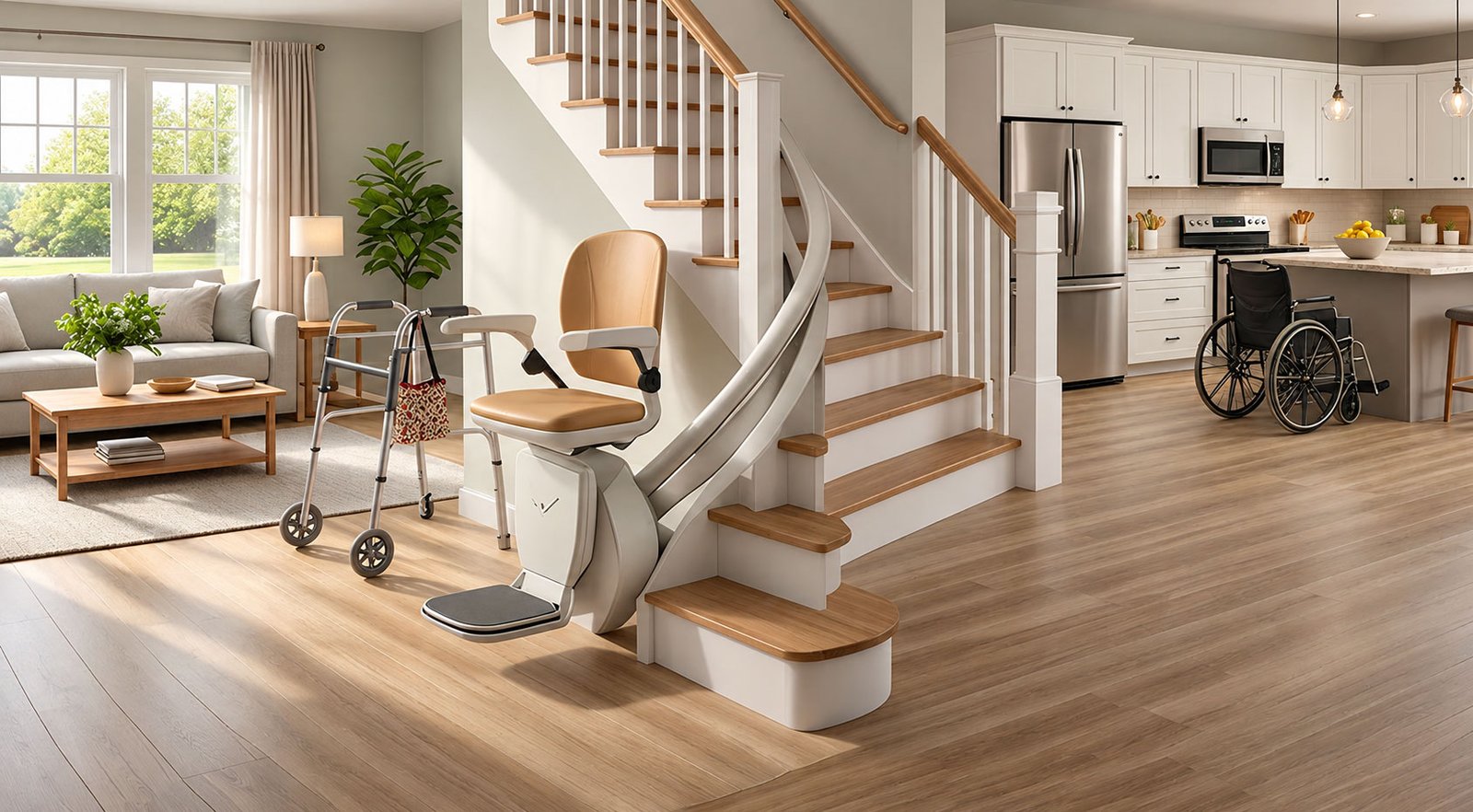
- Stairs and level changes
- Caregiver working space
- Storage and equipment access
- Current and anticipated care needs
- How those needs may change over time.
The goal is not simply to bring equipment into the home. It is to understand how the individual, caregiver, equipment, and home work together.
Durable Medical Equipment Within the Monse-Heart Educational Ecosystem
Durable medical equipment is one part of a larger care journey.
A change in health may affect mobility or function.
A change in mobility may introduce new equipment needs.
Equipment may affect caregiver responsibilities and reveal accessibility limitations within the home.
Equipment needs may introduce financial and insurance considerations.
And as care circumstances continue to change, the equipment needed to support care may change as well.
Durable Medical Equipment is one of the five connected pillars of the Monse-Heart Educational Ecosystem:



Each pillar addresses a different area of learning while contributing to one connected educational experience that supports participants throughout every stage of the care journey.
Understanding Equipment Begins With
Understanding the Bigger Picture
Durable medical equipment is more than a device. It becomes part of the person’s daily care, the caregiver’s responsibilities, and the home where care takes place.
Understanding how these needs connect helps individuals and families approach equipment decisions with greater clarity, confidence, and preparedness.
A Personal Note from the Founder
Mussarat Asad, BScN, MPH
Founder and Director
Monse-Heart Education
Throughout my healthcare and caregiving experience, I have seen how quickly medical equipment can become part of someone’s daily life. Yet families are not always given enough opportunity to understand how that equipment will affect the individual, the caregiver, and the home.

A piece of equipment does not function by itself. It must fit the person’s needs, the caregiver’s responsibilities, the available space, and the way care is actually provided each day. What works now may also need to be reconsidered as circumstances change.
That is why I believe equipment education should help families look beyond the device itself. They should feel prepared to ask meaningful questions, recognize important considerations, and work more confidently with the qualified professionals involved in their care.
My hope is that this pillar helps families see the complete picture. Families deserve to understand how equipment can support care safely and effectively.
Frequently Asked Questions About Durable Medical Equipment
- What is Durable Medical Equipment (DME)?
Durable Medical Equipment refers to medical-grade equipment designed for repeated use to support ongoing care needs, such as mobility, positioning, transfers, respiratory support, and accessibility.
- How do I know what equipment may beappropriate?
Equipment needs depend on the individual’s health, mobility, functional abilities, and care requirements. A qualified healthcare professional should determine or recommend appropriate medical equipment based on the individual’s needs.
- Why should future care needs be considered when thinking about equipment?
Mobility, function, and caregiving needs may change over time. Understanding how those needs may evolve can help families prepare for possible equipment, accessibility, and caregiving considerations ahead.
- How does DME connect with the caregiver?
Equipment can affect how caregivers assist with mobility, transfers, positioning, and daily activities. Understanding caregiver responsibilities is therefore an important part of considering how equipment will function in everyday care.
- How does DME connectwiththe home?
Equipment must function within the physical home. Doorways, pathways, room layout, stairs, bathrooms, and available caregiver space may all affect how equipment can be used safely and practically.
- Does health insurance cover Durable Medical Equipment?
Coverage varies by insurance plan, equipment type, medical necessity, and other requirements. Participants should confirm coverage, eligibility, and out-of-pocket responsibilities directly with their insurer or other appropriate qualified professionals.
- Does Monse-Heart recommend or select medical equipment?
No. Monse-Heart provides education, assessment, and personalized educational guidance to help families better understand equipment considerations and prepare informed questions for qualified healthcare professionals.
- Why does Monse-Heart consider more than the equipment itself?
Because equipment is only one part of the caregiving situation. The individual, caregiver, home, current and anticipated care needs, accessibility, and financial considerations can all influence how equipment fits into daily care.
- Can equipmentneedschange over time?
Yes. Changes in health, mobility, function, or the level of caregiver assistance may create different equipment needs over time. This is why Monse-Heart encourages participants to consider both current and anticipated care needs.
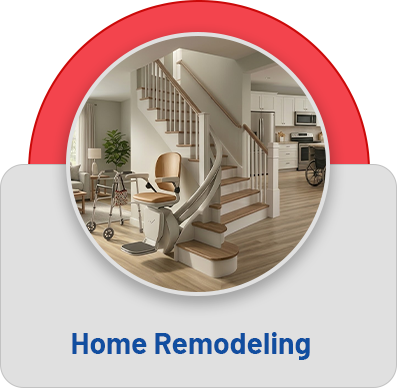
- How does DME connect with Home Remodeling?
Equipment may create new space, accessibility, or caregiver-access requirements within the home. Considering equipment and the physical home together can help families better understand potential home modification needs.
Educational Disclaimer
Monse-Heart Education provides educational programs designed to increase understanding of durable medical equipment, caregiving, and home preparedness.
We do not prescribe, recommend, sell, select, or endorse specific medical equipment and do not provide clinical, medical, or rehabilitation services.
Our role is to provide structured education, personalized assessment, and educational guidance that helps individuals and families better understand equipment considerations within their unique caregiving circumstances.
Participants should consult qualified healthcare professionals when making medical or equipment-related decisions.