Table of Contents
Why I Founded Monse-Heart
The Birth of Empowered Care
People are often prepared to care, but they are not always prepared to navigate everything that comes with caregiving.
Families may suddenly find themselves trying to understand healthcare, coordinate daily care, manage changing responsibilities, understand health insurance and financial considerations, consider equipment needs, evaluate the home, and make decisions about the future, often while already carrying the emotional weight of caring for someone they love.
I believed there had to be a better way to prepare. That belief became Empowered Care, a structured educational program designed to help individuals and families build connected understanding across the many areas that influence the care journey.
The purpose is not to tell families what decisions to make. It is to provide the education, assessment, and personalized educational guidance that help them better understand their circumstances, recognize priorities, prepare meaningful questions, and approach important decisions with greater knowledge and confidence.
Because confidence does not come from simply having more information.
It comes from understanding how the pieces connect.
A Daughter’s Journey into Caregiving, Clarity, and God-Given Purpose
Caregiving rarely begins with a plan.
It begins with love, responsibility, and the quiet realization that life at home is changing.
When a diagnosis shifts everything, families are often left with instructions—but very little clarity about what daily life will actually require.
That gap is where confusion, stress, and uncertainty begin. The Empowered Care Program was created to close that gap.
Not as a quick solution or a one-time consultation—but as a guided education and mentorship program that helps individuals and families move forward with clarity, practical understanding, and confident decision-making at home.
This program was not built from theory.
It was shaped through lived caregiving experience—through real decisions, real challenges, and the need for something more than fragmented advice.
Empowered Care brings together caregiving education, planning awareness, and real-life application into one unified program—so families are not reacting to crisis, but preparing with clarity.
The Missing Piece
Through my own caregiving experience, I began to recognize something that would eventually shape the foundation of Empowered Care.
Families are often given information in pieces.
One conversation may focus on the medical condition. Another may address equipment. Someone else may discuss finances, home accessibility, or long-term care.
Even health insurance can take on an entirely different meaning when someone’s health declines. Before caregiving begins, families may have had little reason to examine what their coverage actually provides. But when care, equipment, services, or ongoing support are suddenly needed, questions about what is covered, what is not covered, and what financial responsibilities may remain can become very real.
The person receiving care and the family supporting them are living all of these realities at the same time.
Caregiving, healthcare, health insurance, financial management, durable medical equipment, the physical structure of the home, family responsibilities, and future planning do not exist in isolation. Each can influence the others.
What was missing was not simply more information.
What was missing was connected understanding
That realization became one of the foundations of Empowered Care and, ultimately, the broader
Monse-Heart Educational Ecosystem.
My Background — and How Caregiving Reshaped It
I am a nurse by training (BScN), and most of my career was spent as a healthcare educator. My work revolved around teaching, simplifying complex concepts, and helping people understand what they needed in order to make confident decisions. Education shaped my professional identity.
But when my mother’s health declined, my world shifted.
I moved from educator to full-time caregiver — applying nursing knowledge in the most personal and emotional context possible: caring for my own mom.
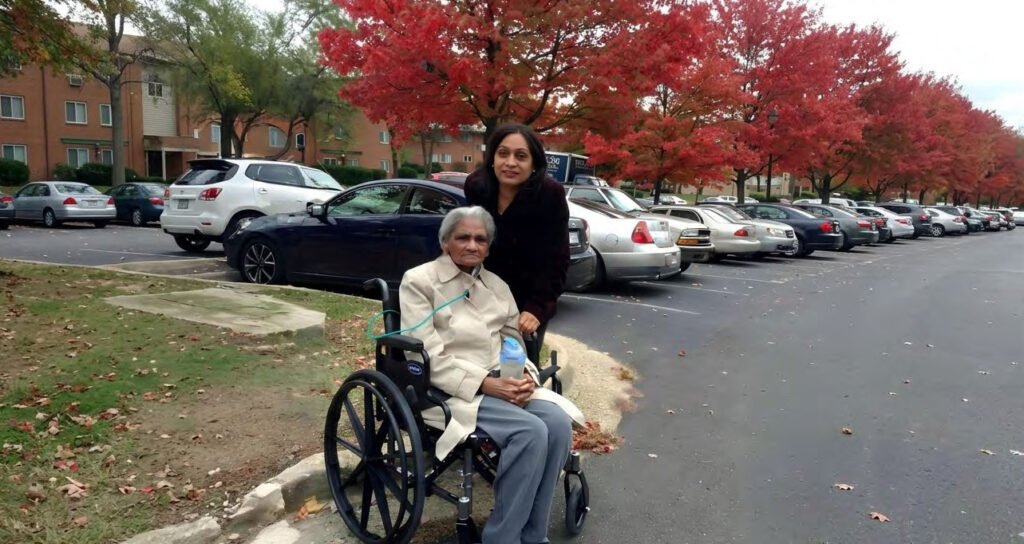
My mother lived with advanced respiratory failure, and I became her primary caregiver through tracheostomy care, ventilator support, suctioning, and daily airway management — a level of care that reshaped my understanding of both nursing and family. It was clinical, emotional, and profoundly spiritual all at once. And in that difficult, sacred space, something deeper unfolded.
My Mom’s Wisdom Became My Foundation
My mother was a retired nurse, and even in her illness, she carried a grace and strength that shaped every decision we made together. Some days she was simply my mom, and other days we spoke “nurse-to-nurse,” sharing the kind of understanding only two nurses can. Her wisdom guided me through every moment of her care. The clarity she lived with, even while battling respiratory failure, became the heart of the mission I now carry through Monse-Heart.
This Was More Than Caregiving
It was mentorship
It was preparation
It was the quiet
shaping of a calling.
Filling Gaps the System Misses
Hospitals and clinics operate under pressure. Physicians, nurses, and case managers do their best within limited time and limited resources. But discharge instructions are not the same as preparation.
Most families leave the hospital with:
» Medication lists
» Follow-up appointments
» A brief summary of the condition
But very little clarity about what daily care will actually require at home.
Almost never do families receive guidance that includes:
» Emotional strain
» Logistical realities
» Spiritual support
» Financial considerations
» Long-term decision-making
This is where many caregivers feel overwhelmed — not because they are incapable, but because no one has walked them through the full picture.
A true needs analysis asks deeper questions:
» What level of physical care will be required?
» Who is realistically available to provide it?
» What emotional and spiritual support systems exist?
» What financial resources or gaps need to be addressed?
» What long-term decisions need attention now?
Without this clarity, families operate reactively — adjusting only when crisis forces change. With structure, caregiving becomes intentional instead of chaotic.
At Empowered Care, meaningful preparation begins with guided conversations that look beyond checklists. We consider the whole person, the whole family, and the real rhythms of daily life — so that care at home becomes sustainable, not just hopeful.
Clarity is not cold. | It is compassionate
The Birth of Empowered Care
The Empowered Care Program wasn’t created from theory. It was built from lived experience — through oxygen alarms, late-night decisions, and long conversations with my mom about clarity, faith, and preparation.
What Empowered Care Is
The Empowered Care Program is a structured educational experience designed to help individuals and families build greater understanding as they prepare for, enter, and navigate the caregiving journey.
It brings together foundational learning, personalized assessment, educational guidance, and continued learning so participants can better understand their circumstances and the interconnected factors that may influence care.
It is not a one-time session.
It is a four-phase learning journey designed to build knowledge, preparedness, and confidence throughout the care journey
The Empowered Care Four-phase Journey
Empowered Care follows a structured four-phase journey designed to move participants from foundational learning to personalized understanding, guidance, and continued education.
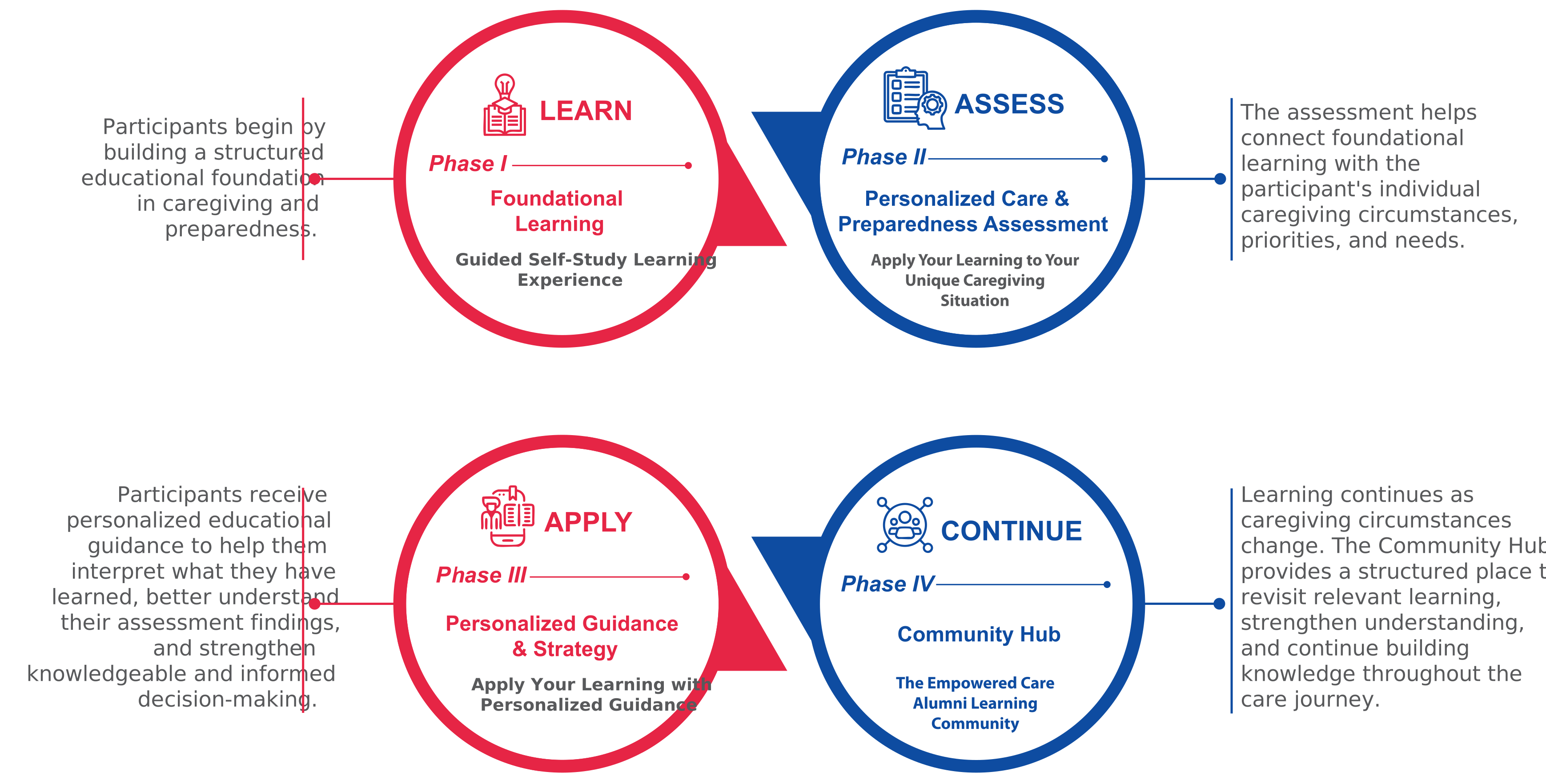
The Monse-Heart Educational Ecosystem
As Empowered Care developed, one thing became increasingly clear: caregiving does not exist in isolation.
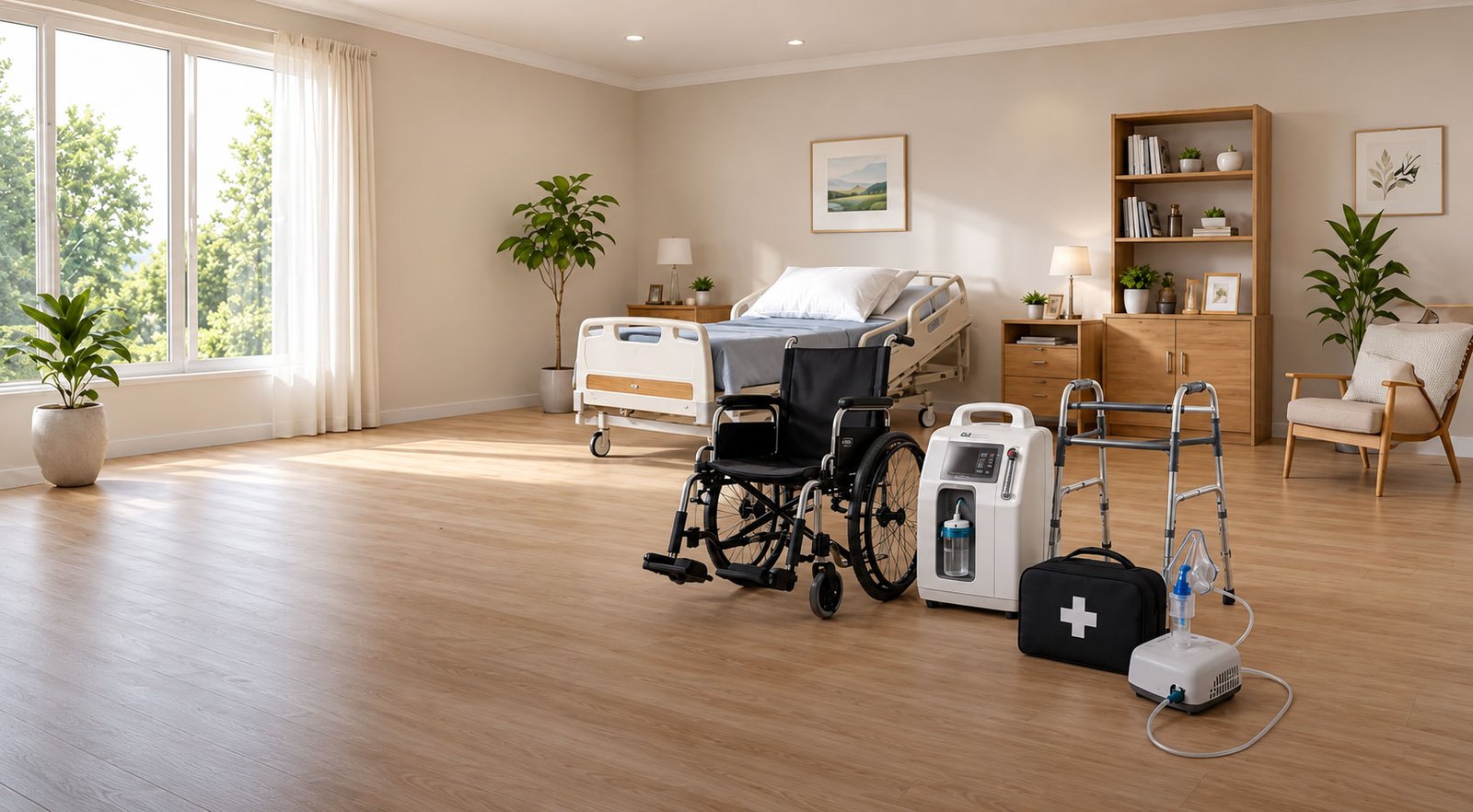
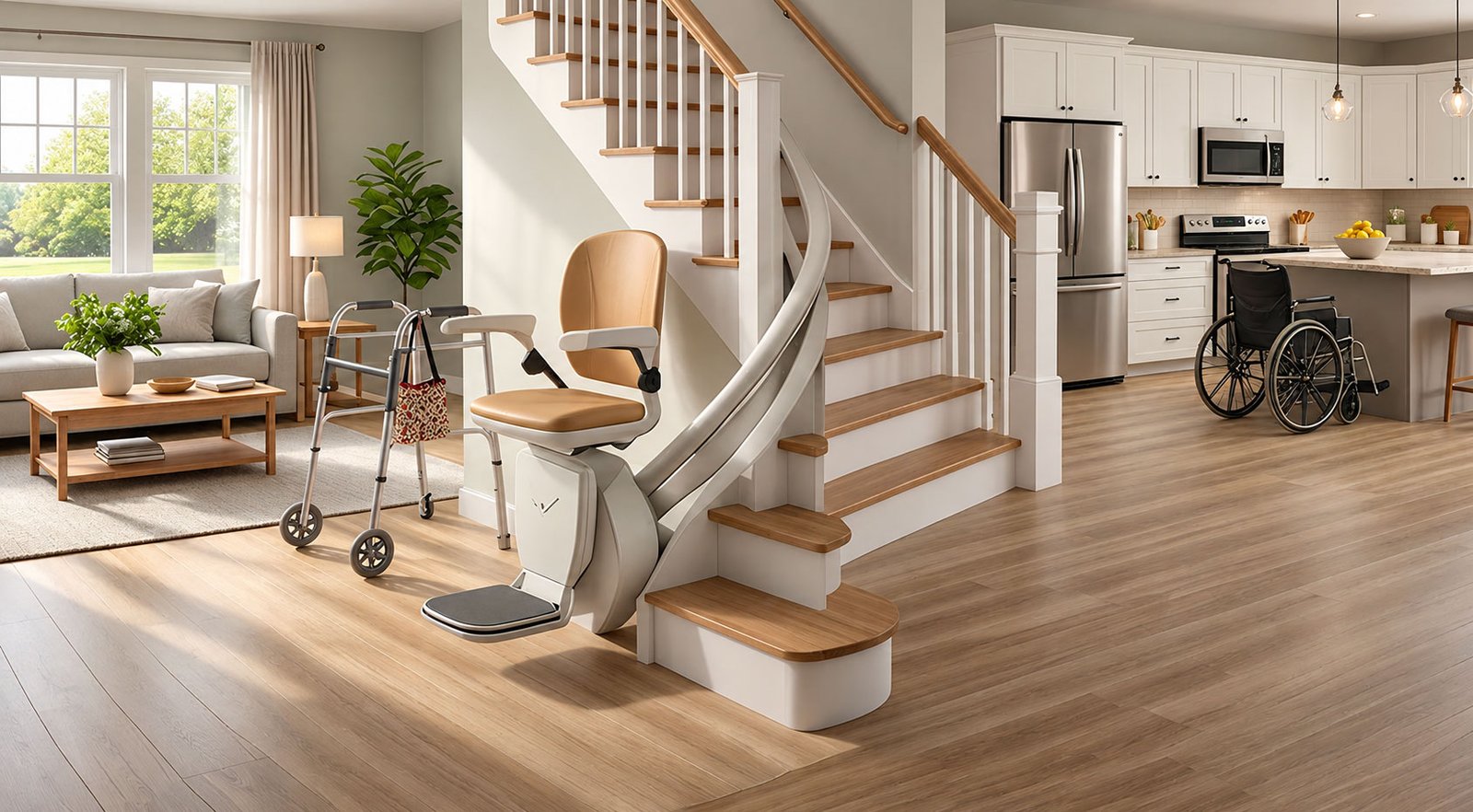
Health insurance and financial considerations can influence care decisions. Equipment needs can affect independence and daily caregiving. Changes in health may require modifications to the physical structure of the home. And as circumstances continue to change, learning must continue as well.
This understanding became the foundation of the Monse-Heart Educational Ecosystem, bringing together five connected pillars:
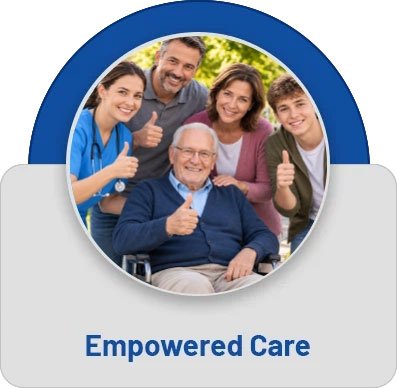

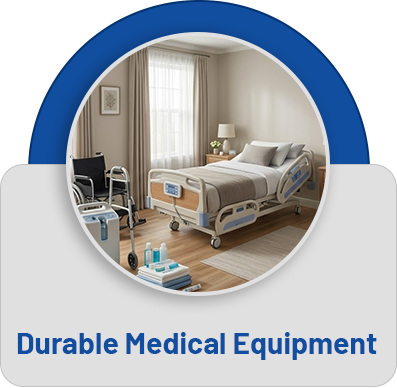
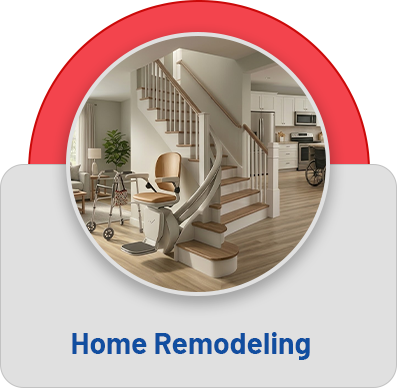

Each pillar addresses a different area of learning while contributing to one connected educational experience that supports participants throughout every stage of the care journey.
Because life’s most important decisions rarely happen in isolation.
Conclusion
Empowered Care Was Born From Experience. It Continues Through Education.
What began with my own caregiving journey grew into a commitment to helping individuals and families build the understanding I wish every family had when navigating difficult care decisions.
Empowered Care brings that purpose to life through structured education, personalized assessment, educational guidance, and continued learning, helping participants understand how the many pieces of caregiving connect.
Whether you are preparing for caregiving, already supporting someone you love, or navigating changing care needs, Empowered Care provides a structured place to build knowledge, preparedness, and confidence throughout the care journey.
Your learning journey can begin here.
About the Author
Mussarat Asad, BScN, MPH
Founder, Monse-Heart Education | Creator of Empowered Care
Mussarat Asad is a nurse educator and public health professional whose professional background and personal caregiving experience shaped the development of Monse-Heart Education and the Empowered Care Program.

Her work focuses on helping individuals and families build greater understanding across caregiving, preparedness, and the interconnected decisions that can arise throughout the care journey.
Through Monse-Heart Education, she brings together structured education, personalized assessment, and educational guidance to help individuals and families build knowledge, preparedness, and confidence as they navigate important decisions throughout the care journey.
Why I Founded Monse-Heart — The Birth of Empowered Care was written by Mussarat Asad.
FAQ: Empowered Care & Family Preparedness
- What is the Empowered Care Program?
Empowered Care is a structured four-phase educational program that helps individuals and families build knowledge and preparedness across the interconnected areas that can influence the care journey. - Why do families need education beyond medical or discharge instructions?
Medical and discharge instructions are important, but they generally focus on immediate clinical needs. Caregiving may also involve family responsibilities, equipment, the home, health insurance and financial considerations, available support, and changing needs over time. Empowered Care helps participants understand how these areas may connect. - Why can caregiving feel overwhelming even when families receive information?
Families often receive information fromdifferent sources at different times. The challenge may not be a lack of information, but understanding how the pieces relate to the individual, the caregiver, the home, available resources, and the changing care situation. - What makes Empowered Care different from general caregiving education?
Empowered Care combines foundational learning with a Personalized Care & Preparedness Assessment and personalized educational guidance, helping participants connect what they learn to their actual caregiving circumstances. - What is the Personalized Care & Preparedness Assessment?
The assessment helps us understand the individual receiving care, caregiver responsibilities, current andanticipated care needs, equipment and home considerations, available support, and relevant planning priorities. Depending on the service selected, it may be conducted virtually or through an in-home visit. - Does Empowered Care tell families what medical, financial, insurance, equipment, or remodeling decisions to make?
No. Monse-Heart provides education, assessment, and personalized educational guidance. Our role is to help participants strengthen their understanding, organize meaningful questions, and become better prepared to work withthe qualified professionals appropriate to their circumstances.
- How do the five Monse-Heart pillars connect with Empowered Care?
The five pillars are Empowered Care, Finance & Legacy, Durable Medical Equipment, Home Remodeling, and Community Hub. Each addresses a different area of learning while contributing to one connected Monse-Heart Educational Ecosystem. - Why does learning continue through the Community Hub?
Completing foundational education does not mean there is nothing more to learn. New caregiving practices, technologies, resources, equipment, and knowledge continue toemerge. The Community Hub gives Empowered Care alumni a place to continue learning, explore relevant developments, and strengthen their knowledge over time.
Educational Disclaimer
Monse-Heart Education LLC provides educational information, structured learning, assessment, and educational guidance intended to help individuals and families strengthen their understanding of caregiving, preparedness, and related planning considerations.
Our educational services do not constitute medical diagnosis or treatment, nursing or clinical care, legal advice, financial or investment advice, insurance advice, architectural or engineering services, home inspection, construction, remodeling, or other licensed professional services.
Participants should consult appropriately qualified professionals for recommendations, decisions, or services requiring professional evaluation or licensure.